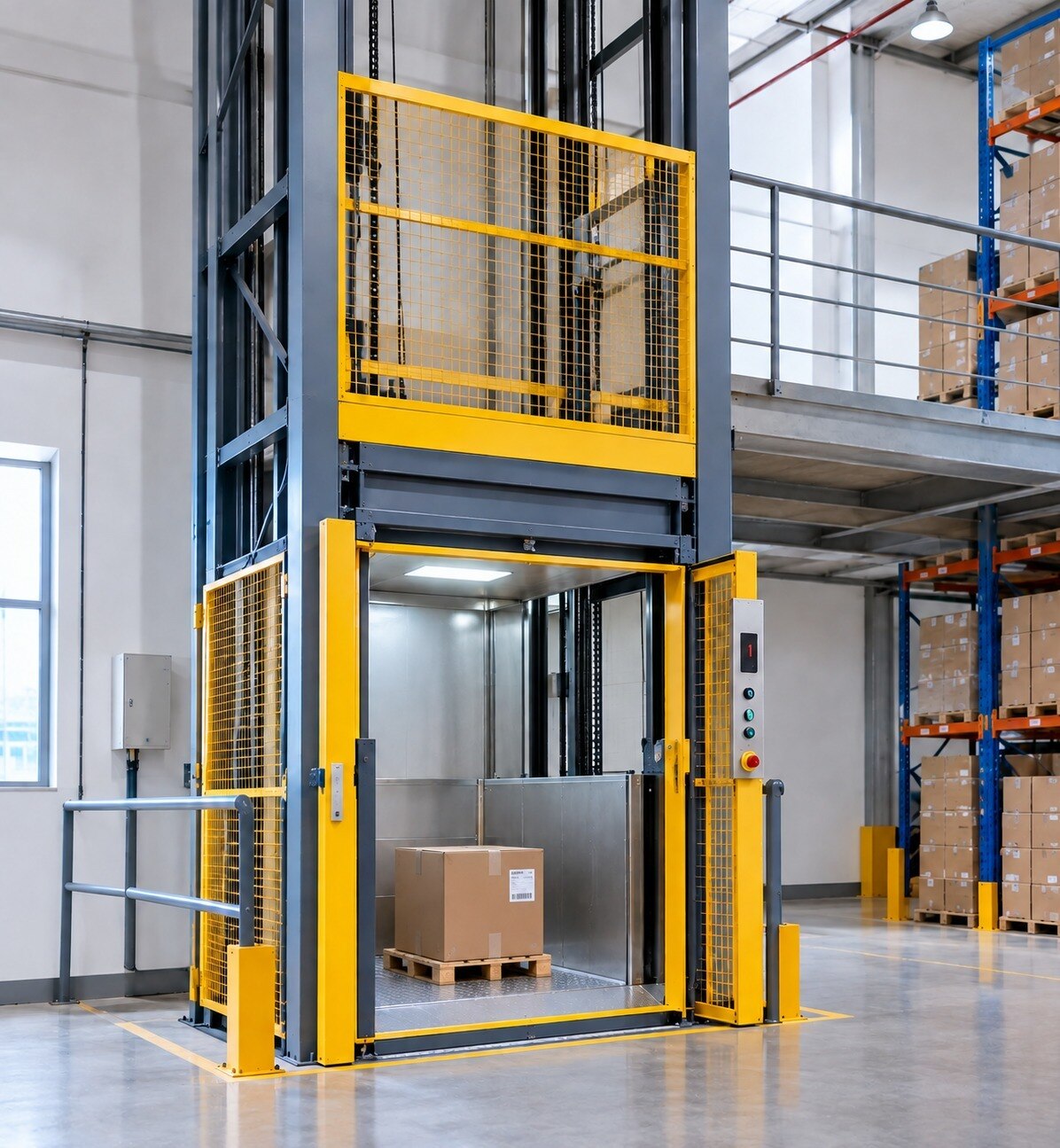
A 2,000 kg rating or a 15,000 mm travel figure does not tell you whether a lift will accept your pallet, fit your building, or complete the required number of trips per hour. Use the comparisons and measurements below to match the lifting mechanism, capacity, height, footprint, and loading method to your plant’s actual movement pattern.
Key takeaways
- Check platform, pallet, load centre, and wheel loads—not rated capacity alone.
- Match lift type to pallet size, floor count, traffic, and available headroom.
- Treat 15,000 mm travel as a building, guarding, and safety-design requirement.
- Record clear openings, platform dimensions, and loading conditions in the specification.
Compare lift types by capacity, height, footprint, and factory role
A 2,000 kg lift can still reject a 1,200 kg pallet if the pallet, truck, load centre, or uneven wheel loading exceeds the platform design. A useful goods lift comparison in Pune therefore starts with rated load in kilograms, platform dimensions, clear door opening, pallet or trolley size, and allowable wheel or axle loads.
| Option | Capacity and height | Footprint and factory role |
|---|---|---|
| Hydraulic lift | Heavy-load, low-rise service; height is governed by cylinder and pit limits | Compact vertical transfer between ground floor, mezzanine, and production levels |
| Traction lift | Rated for repeated multi-level travel; suits greater usable travel | Requires overhead and controller space; serves several floors and higher traffic |
| Vertical reciprocating conveyor (VRC) | Goods-only platform sized to the load; fixed-level travel | Small enclosed shaft; links warehouse floors, mezzanines, and lines |
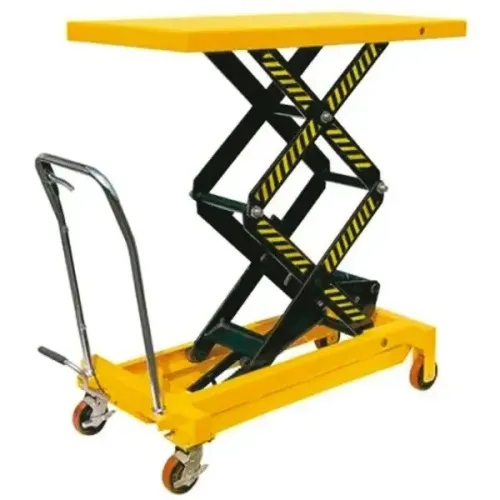
| Scissor platform lift | Heavy-load, short-rise elevation; not a multi-floor substitute | Needs clear platform and approach area; suits loading bays, docks, and point-of-use lifting |
Compare these goods lift types in Pune with a stacker, pallet truck, crane, conveyor, or ASRS when the task involves truck loading, narrow aisles, horizontal flow, or rack access rather than fixed-floor transfer. A scissor lift may solve a dock-height problem while a VRC solves inter-floor movement.
Ask each supplier for rated cycles or starts per hour, travel time, loading time, and allowable dwell time. Finally, confirm pit depth, headroom, machine-room or controller space, landing doors, and maintenance access before choosing on capacity alone.
Obtain Maharashtra’s applicable classification, approval path, and inspection documents in writing; a goods-only VRC is not automatically approved for passenger travel.
Match the equipment to pallets, floors, traffic, and headroom
A 1,200 kg pallet can exceed a 2,000 kg rating once the pallet, truck, load centre, and uneven wheel loads are counted. Compare the goods lift types in Pune against pallet dimensions, floor count, traffic rate, aisle width, and headroom—not rated kilograms alone.
| Option | Best fit | Height and traffic | Footprint and loading |
|---|---|---|---|
| Goods lift | Pallets between fixed floors, mezzanines, or loading bays | Multiple levels; intermittent to regular cycles | Enclosed shaft; pallet or trolley loading |
| Scissor lift | Point-of-use elevation, production lines, or dock height matching | One level; short vertical travel and frequent positioning | Larger open platform; direct floor loading |
| Stacker | One pallet at a time in narrow warehouse aisles | Low-to-medium lift height; low traffic | Compact; forks enter the pallet |
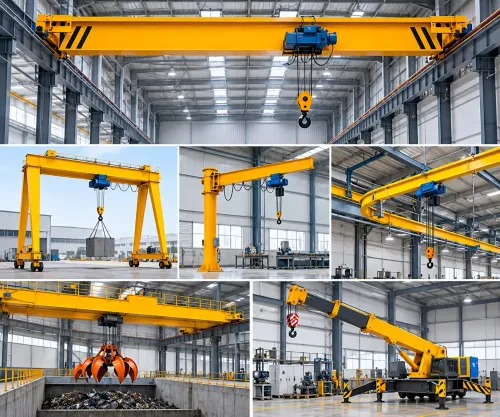
| Crane | Heavy or awkward loads across a production bay | Horizontal coverage; occasional lifts | Overhead structure; slings or forks |
| Pallet truck | Floor movement, truck loading, and staging | No floor-to-floor travel; short routes | Very small footprint; fork entry |
| Conveyor | Repeated transfers between adjacent processes or levels | Continuous high traffic; fixed route | Linear or vertical conveyor; automatic loading |
| ASRS | High-density racking with predictable pallet flows | Many storage cycles; controlled access | Tall racking and dedicated aisles; automated carriers |
Choose a goods lift for factory operations when routes or loads change and only a few transfers occur per hour. Choose a conveyor for steady replenishment, a stacker for narrow aisles, and an ASRS when storage density and repeatability outweigh flexibility.
Keep people out of goods-only lifts; personnel travel requires a different design and approval path. Check headroom above the highest landing before selecting a scissor lift or crane.
Calculate real capacity and measure the platform before ordering
A useful goods lift capacity comparison starts with the heaviest complete load, not the product weight alone. Add the pallet, trolley, pallet truck, forklift or AGV carried inside, attachments, and packaging. A 1,200 kg pallet can exceed a 2,000 kg lift’s floor design if wheels create concentrated or impact loads.
1. Record the gross operating load in kilograms and the heaviest wheel or axle load. Tell the supplier whether a forklift enters the cabin, then request the permitted point load, wheel load, and loading impact limit.
2. Measure the loaded pallet or trolley at its maximum length, width, and height, including overhangs. Specify usable platform length and width, not just the shaft size; allow space for positioning without trapping the load against the walls.
3. Measure the clear door opening in width and height with the doors fully open. Compare it with the pallet or trolley diagonal, handle height, and the approach route. A platform that fits the load can still fail if the doorway cannot accept the turning movement.
4. Measure the landing approach: aisle width, turning radius, threshold gap, ramp or dock height, and space for the operator to stand clear. Include loading and unloading time in the duty-cycle calculation; a goods lift for factory replenishment needs rated trips or cycles per hour, not capacity alone.
Use usable travel between loading levels for the height figure. Reserve space for the pit, overhead clearance, controller or machine room, landing-door structure, and maintenance access. Confirm Maharashtra inspection and approval documents in writing, and never specify a goods-only lift for passenger travel.
Interpret 15,000 mm travel as a building and safety requirement
A quoted 15,000 mm travel means 15 metres between the finished loading levels, not a 15-metre-high building. Confirm the exact floor-to-floor measurements first; a lift serving a basement, ground floor, mezzanine, and upper production floor needs usable travel calculated between every landing.
The industrial goods lift height must fit the complete shaft and machinery arrangement. In a retrofit plant, pit depth, overhead clearance above the top landing, controller or machine-room space, landing-door structure, guide rails, and maintenance access can decide the lift type before rated load does.
A 15,000 mm installation that cannot accommodate its pit or overhead is not a workable specification.
Ask the supplier to confirm these items in the GA drawing and compliance documents:
- Finished-floor levels, usable travel, pit depth, and required overhead clearance
- Shaft or enclosure dimensions, landing-door swing or sliding clearance, and maintenance working space
- Guide arrangement, support reactions, anchoring points, and loads imposed on existing floors
- Maximum permitted speed, average travel time, rated starts or cycles per hour, and allowable dwell time
- Emergency access, interlocked landing doors, overload protection, limit switches, and the intended evacuation procedure
- Whether the lift carries goods only; transporting people requires equipment and approvals designed for personnel carriage
Do not compare 15,000 mm as a standalone figure. Include platform load, pallet and truck dimensions, point loading, and traffic frequency in the goods lift capacity comparison, because a taller 1,000 kg lift may serve a process worse than a shorter unit with adequate cycle capacity.
Turn the comparison into a Pune plant specification
Give the supplier an operating brief, not only a required load and travel distance. A useful goods lift comparison in Pune starts with the route: inter-floor transfer, loading bay, mezzanine, production line, or warehouse racking, including every landing and the direction of loading.
Provide these details:
- Rated load in kilograms, plus the pallet, trolley, truck, and operator weights. State the heaviest wheel or axle load and whether the load sits off-centre.
- Platform length and width, pallet dimensions, clear door opening, threshold height, turning radius, and the approach space available at every floor.
- Finished floor-to-floor measurements, pit depth, overhead clearance, shaft or enclosure dimensions, and the highest landing. Treat industrial goods lift height as a building interface, not just a catalogue number.
- Required trips per hour, loading and unloading time, average travel time, peak periods, and allowable dwell time. A goods lift for factory replenishment needs a duty cycle that matches production, not merely a large rated capacity.
- Loading method at each level: hand pallet truck, forklift, conveyor, dock plate, or direct truck transfer. State whether doors must open on opposite sides.
- Pune site conditions: indoor or outdoor installation, monsoon rain exposure, washdown, drainage, humidity, corrosion protection, electrical-panel protection, and available power supply.
Dofort can use this information to distinguish a lift for fixed-level pallet movement from one that needs frequent production-line cycling. Ask for pit, overhead, guide, speed, safety-device, and structural-load drawings before approving the layout.
Related products
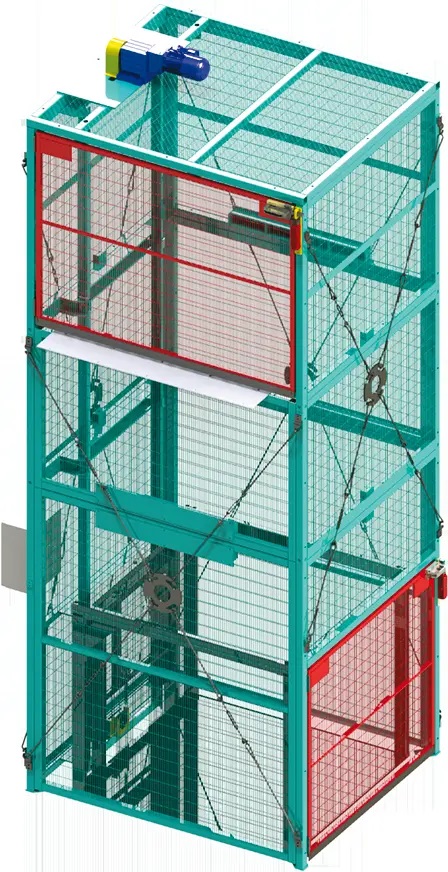 | Loading / Lifting Equipment Capacity: 1000-2500 Kg Lifting Height: Up to 15000 mm View product → |
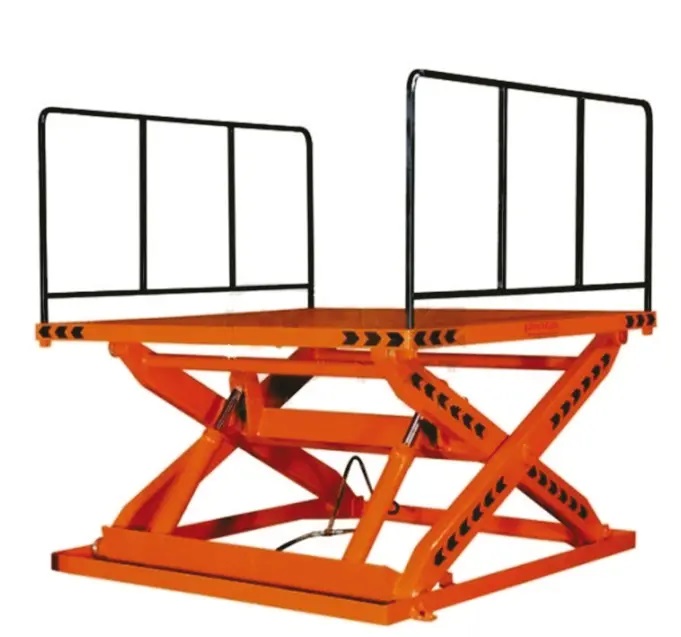 | Loading / Lifting Equipment Height: 1000-10000 Kg Lifting Height: Up to 4500 mm View product → |
Frequently asked questions
How do goods lift types differ by capacity and height?
Compare each type by rated capacity, maximum travel, platform size, footprint, loading method, and its role in the factory.
How do I choose a goods lift for pallets and factory traffic?
Match the platform and clear door opening to the pallet or trolley, then check traffic frequency, floor access, loading direction, and headroom.
How do I calculate the real capacity of a goods lift?
Add the load, pallet or container, and handling equipment, then verify the load centre and wheel or axle loads against the platform design.
What does 15,000 mm of goods lift travel require?
It requires coordinated building openings, shaft or enclosure height, landing doors, guarding, pit and headroom checks, and a documented safety design.
Related products
 | Manual Equipment Capacity: 350-1000 Kg Lift Height: 700-1500 mm View product → |
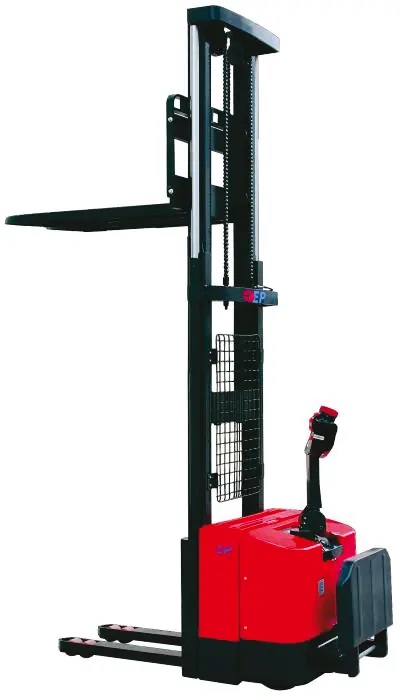 | Electrical Battery Operated Capacity: 1600 Kg Lifting Height: Up to 6000 mm View product → |
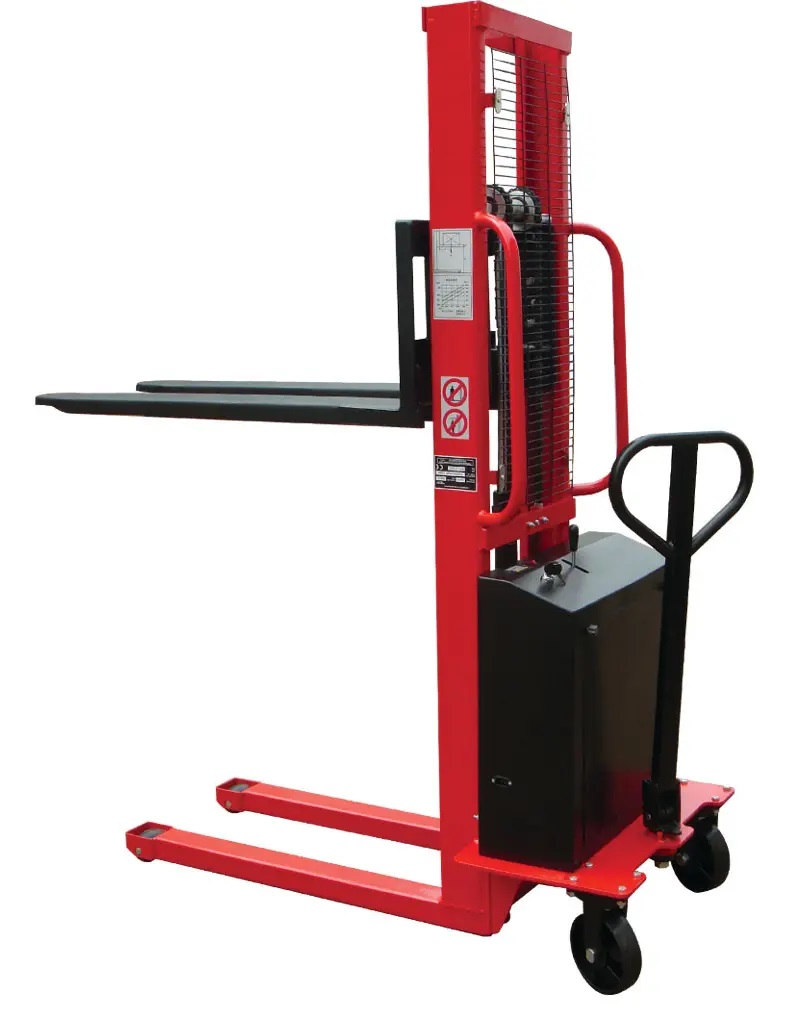 | Electrical Battery Operated Capacity: 1600 Kg Lifting Height: Up to 3000 mm View product → |
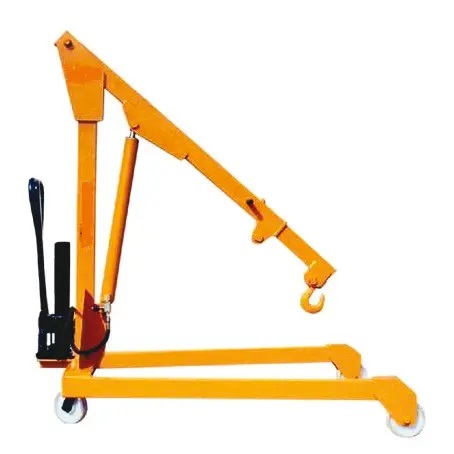 | Manual Equipment Capacity: 1000-2000 Kg Lift Height: 2000 mm View product → |