A special-purpose machine and an automated material handling system solve different production constraints: one performs a defined operation, while the other moves, buffers, routes, feeds, or stores loads. By comparing flow, flexibility, integration, site conditions, and lifecycle effort, you can choose the right system—or combine both—without treating automation as a single category.
Key takeaways
- Choose an SPM for a defined operation; choose AMHS to move, buffer, or store loads.
- Compare cycle time, part variety, tooling changes, interfaces, floor space, and maintenance access.
- Select conveyors, feeders, loaders, or pickup-and-drop cells for targeted handling tasks.
- Specify ASRS capacity, load dimensions, rack height, site conditions, controls, and safety zones.
What an SPM and an automated material handling system actually solve
Start with the constraint, not the equipment name. A special-purpose machine, or SPM, performs a defined manufacturing operation on a part family using dedicated tooling, fixtures and sequence control. An automated material handling system moves, buffers, routes, stores or presents loads between operations; it does not automatically improve the process performed on those loads.
Before comparing quotations, classify the proposed system in this order:
1. Name the bottleneck. If the problem is drilling, assembly, inspection, feeding or machine loading, assess SPM automation in Pune. If the problem is travel, waiting, replenishment, pallet accumulation or storage, assess an automated material handling system in Pune.
2. Define the load unit for material handling: pallet or tote dimensions, mass range, centre of gravity, underside condition, overhang, barcode location and stability. Poorly controlled loads create jams and manual recovery.
3. Separate the quotation scope. An SPM quote can include fixtures, feeders, vision and end-of-arm tooling; an AMHS quote can include racks, pallets, guarding, scanners, floor preparation, controls, WMS or MES interfaces, training and commissioning stock.
4. Test the output. An SPM promises a repeatable process cycle at one station; an AMHS promises predictable movement, presentation, buffering or retrieval across several locations.
| Option | Solves | Main limit |
|---|---|---|
| SPM | Process quality or cycle time | Dedicated to a defined operation |
| AMHS | Movement, storage or routing | Needs disciplined loads and data |
A hybrid often gives the clearest boundary: dedicate the SPM to the stable bottleneck, then use conveyors, feeders, mobile robots or storage equipment for transport and replenishment.
SPM versus AMHS: the practical comparison for a Pune factory
Choose an SPM when one manufacturing operation limits output; choose an AMHS when movement, waiting, buffering, or presentation limits output. A factory automation comparison in Pune must include the full installed system, not just the equipment quotation.
| Dimension | SPM | AMHS |
|---|---|---|
| Purpose | Performs a defined operation with dedicated tooling, fixtures, feeding, or inspection. | Moves, stores, buffers, routes, or presents loads between receiving, machines, inspection, storage, and dispatch. |
| Flow | Short, repeatable cycle at one point. Transport may remain manual. | Continuous or scheduled flow across several points; production operations may remain unchanged. |
| Flexibility | Low to moderate; part changes can require tooling and program changes. | Higher routing flexibility, but totes, pallets, scanners, and software must support the variants. |
| Capacity | Determined by cycle time, uptime, feeder rate, and tool change. | Determined by load rate, buffer size, route congestion, and storage capacity. |
| Footprint | Cell, guarding, operator access, and maintenance clearance. | Routes, transfer clearances, buffers, racks, charging areas, and recovery access. |
| Integration | PLC, robot, vision, safety circuits, and process validation. | PLCs, scanners, WMS or MES, network, elevators, conveyors, and safety zones. |
| Labour | Fewer operators at the task; manual loading may remain. | Fewer transport handlers; staff still manage exceptions and replenishment. |
| Maintenance | Concentrated tooling, sensors, pneumatics, hydraulics, and end-of-arm tooling. | Distributed across conveyors, lifts, scanners, drives, racks, and interfaces. |
| Commissioning | Faster when the process and part family are stable. | Longer because routes, stock, controls, data, and recovery scenarios must be tested. |
| Expansion | Limited by dedicated cell design and tooling. | Easier to add destinations or storage only if routes, controls, and building capacity allow. |
Use an SPM for a stable bottleneck and an AMHS for repetitive movement. A hybrid often removes transport labour without forcing warehouse-routing software to solve a process-quality problem.
When to choose an SPM, conveyor, feeder, loader, pickup-and-drop cell, or ASRS
Choose the equipment that removes the actual constraint, not the one with the highest automation label.
- Machine loading: choose a loader or pickup-and-drop cell when one machine needs repeatable loading and unloading. Choose an SPM when loading is part of a dedicated, high-volume operation with fixed tooling and sequence.
- Inter-operation transfer: use a conveyor for predictable, continuous routes. Use a feeder when parts need orientation and controlled presentation to the next process.
- Pallet movement: use pallet conveyors, lifts, or AGVs/AMRs when loads travel between receiving, production, inspection, and dispatch.
- Line-side replenishment: use a smaller AMHS, tugger, AGV, or supermarket-to-line conveyor. Do not build an SPM to solve a routing problem.
- Finished-goods storage: use ASRS when cartons, pallets, trays, or bins have defined dimensions, known locations, and reliable inventory data.
- Tray or bin retrieval: use automated storage and retrieval in Pune when the system must locate and present a specific load unit, not merely move it along a fixed path.
| Option | Best fit | Main limitation |
|---|---|---|
| SPM | Stable, high-volume manufacturing task | Fixed tooling and narrow scope |
| Conveyor | Repeated point-to-point transfer | Poor routing flexibility |
| Feeder | Part orientation and presentation | Requires consistent part geometry |
| Loader | Machine loading and unloading | Serves a defined machine interface |
| Pickup-and-drop cell | Short, precise transfer between stations | Limited buffer and travel range |
| ASRS | Finished goods or tray/bin storage and retrieval | Needs accurate data and compatible load units |
SPM automation in Pune suits the bottleneck; a smaller AMHS can handle replenishment and storage around it. That hybrid often avoids forcing one system to solve two different problems.
Where fixed tooling, ASRS capacity, and site conditions change the decision
A dedicated SPM or ASRS is the wrong investment when the process, inventory, or building cannot support its fixed assumptions. Reject the design when:
- Product variants, short product lives, or changing routings would force repeated changes to nests, grippers, fixtures, and interlocks.
- Changeover and revalidation time would consume the production capacity gained by the SPM.
- Columns, low clear height, weak slabs, fire-egress limits, heat, dust, or inadequate electrical capacity would require major civil work.
- Guards, vehicle crossings, or restricted pedestrian routes would leave the proposed system unable to meet the site’s safety requirements.
Treat automated storage retrieval in Pune as a load-unit and transaction-rate problem, not a rack-count exercise. Put-away and retrieval peaks above aisle, crane, shuttle, or lift capacity create queues; low transaction demand makes high-cycle equipment poor value. Budget for pallets or totes, conveyors, lifts, scanners, WMS interfaces, and staging space.
Poor data discipline can invalidate the business case. Missing barcodes, duplicate part numbers, inaccurate dimensions, and unrecorded quarantine stock create wrong-location moves and blocked slots. Clean master data and enforce scan points before automating.
For an automated material handling system in Pune, unstable inventory behaviour or unpredictable routing can make flexible carts, manual supermarkets, or a smaller point-of-use cell safer investments. Automate the bottleneck only after confirming the flow it must serve.
How to specify an integrated Pune automation project
Before requesting quotations, freeze the project boundary in a requirements document. Your factory automation comparison in Pune will be unreliable if one quotation includes WMS work, guarding and floor preparation while another covers only the machine.
1. Define the control hierarchy: name the PLC, HMI, safety PLC, fleet manager, WMS, MES and ERP, then assign ownership of inventory, locations, missions, status and exceptions. State whether OPC UA, PROFINET, EtherNet/IP or MQTT connects each layer.
2. Specify the load unit: pallet or tote dimensions, mass range, centre of gravity, underside, overhang, barcode position and stability. An automated material handling system in Pune will jam when mixed pallets fall outside these limits.
3. Write safety functions before design approval. Identify guarded zones, interlocked gates, emergency stops, safe speeds, scanner fields, pedestrian crossings and lockout procedures against ISO 12100 and the applicable robot or mobile-robot standard.
4. Describe recovery states for a cancelled mission, damaged load, partial pick, sensor failure, network loss and power restoration. Require a manual bypass, restart procedure, event log and named person who authorises reconciliation.
5. Compare five-year total cost, including racks, pallets, floor works, guarding, scanners, network hardware, commissioning stock, training, software licences, spares, batteries and preventive maintenance. Measure mean time to recover, not only stated availability.
6. Mark the hybrid boundary: decide which tasks remain SPM tooling, feeding, machine loading or operator work, and which belong to conveyors, AGVs, ASRS or line PLCs. Ask Dofort or any shortlisted partner to return this boundary as an interface matrix, with I/O, data, ownership and acceptance tests.
Related products
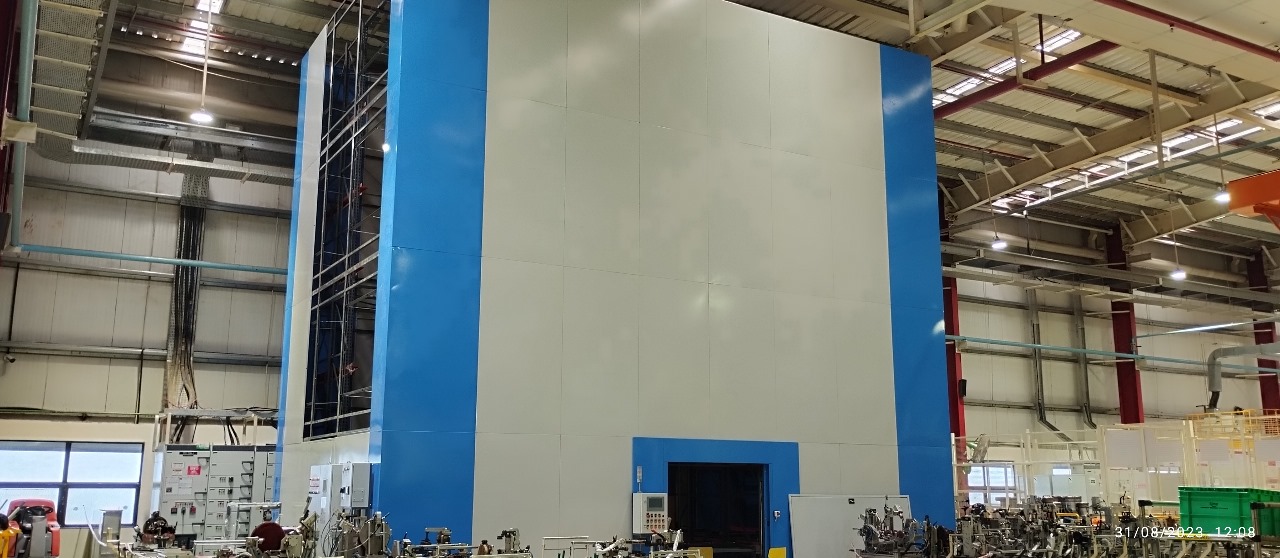 | Automation SPM Automated Material Handling System ASRS – Automated Storage and Retrieval System System Description: A PLC-controlled automated storage system designed for high-density vertical... View product → |
 | Automation SPM SPM Special Purpose Machines: SPM – Special Purpose Machines System Description: Custom-designed automation equipment developed to perform dedicated... |
Frequently asked questions
What does an SPM solve compared with an automated material handling system?
An SPM performs a defined manufacturing operation on a part family using dedicated tooling, fixtures, and sequence control. An automated material handling system moves, buffers, routes, stores, or presents loads between operations.
When should a Pune factory choose an SPM instead of a conveyor or handling cell?
Choose an SPM when the process is repeatable, the part family is stable, and dedicated tooling can deliver the required cycle time and quality. Choose a conveyor or handling cell when the main problem is moving or presenting parts.
When is ASRS a better choice than floor storage or conveyors?
Choose automated storage and retrieval when you need controlled inventory locations, high-density storage, traceability, and automated access to defined load units. Check load dimensions, weight, rack height, throughput, and available floor space first.
What site conditions affect an integrated automation project in Pune?
Check floor loading and levelness, ceiling height, aisle widths, power supply, network access, fire systems, drainage, temperature, dust, operator access, maintenance clearances, and emergency exits before finalising equipment.
Related products
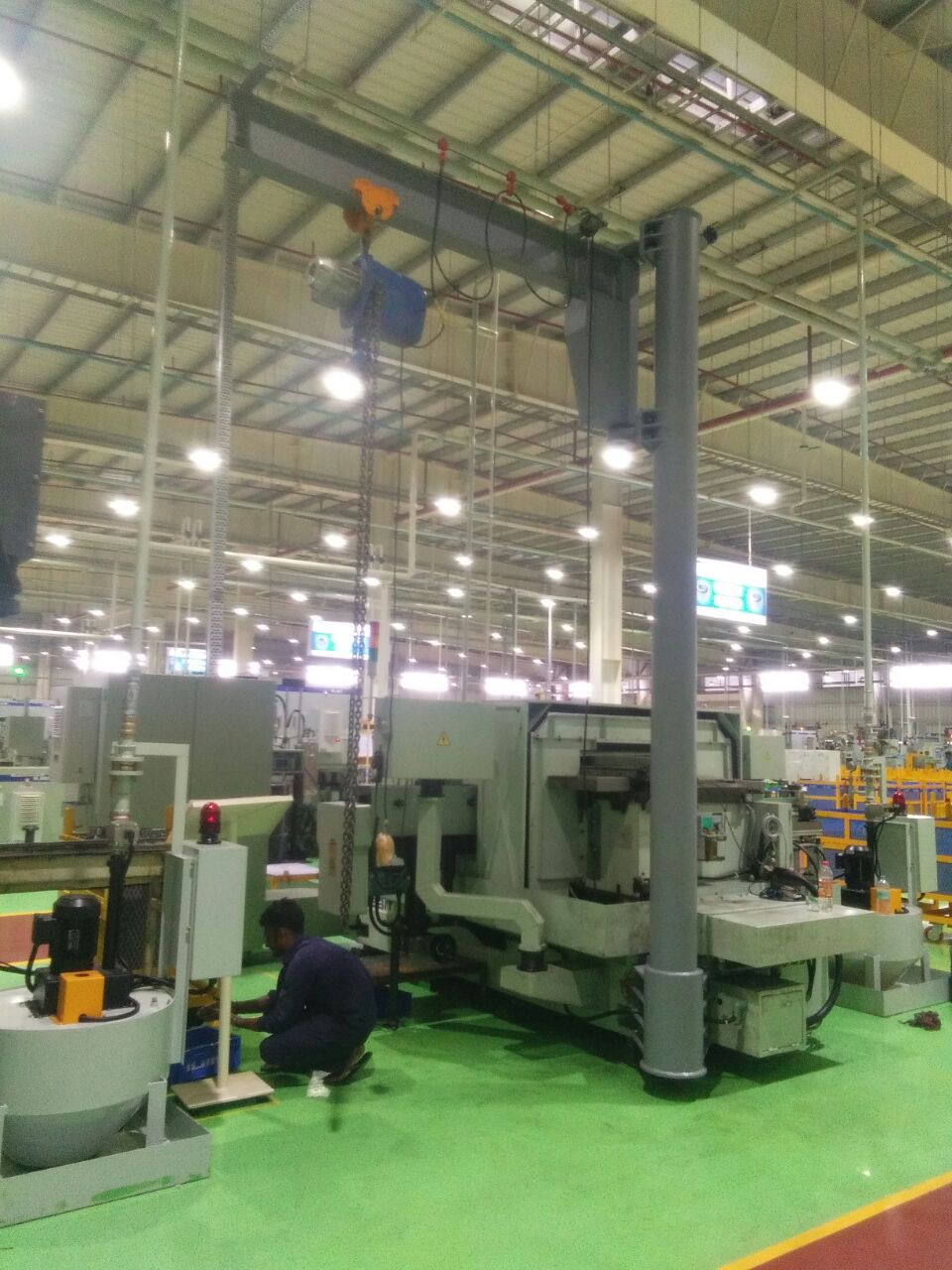 | Automation SPM Automated Pick Up & Drop System Pickup & Drop System – Industrial Automation Solution System Description: A custom-built automated system designed to pick components from a defined... View product → |
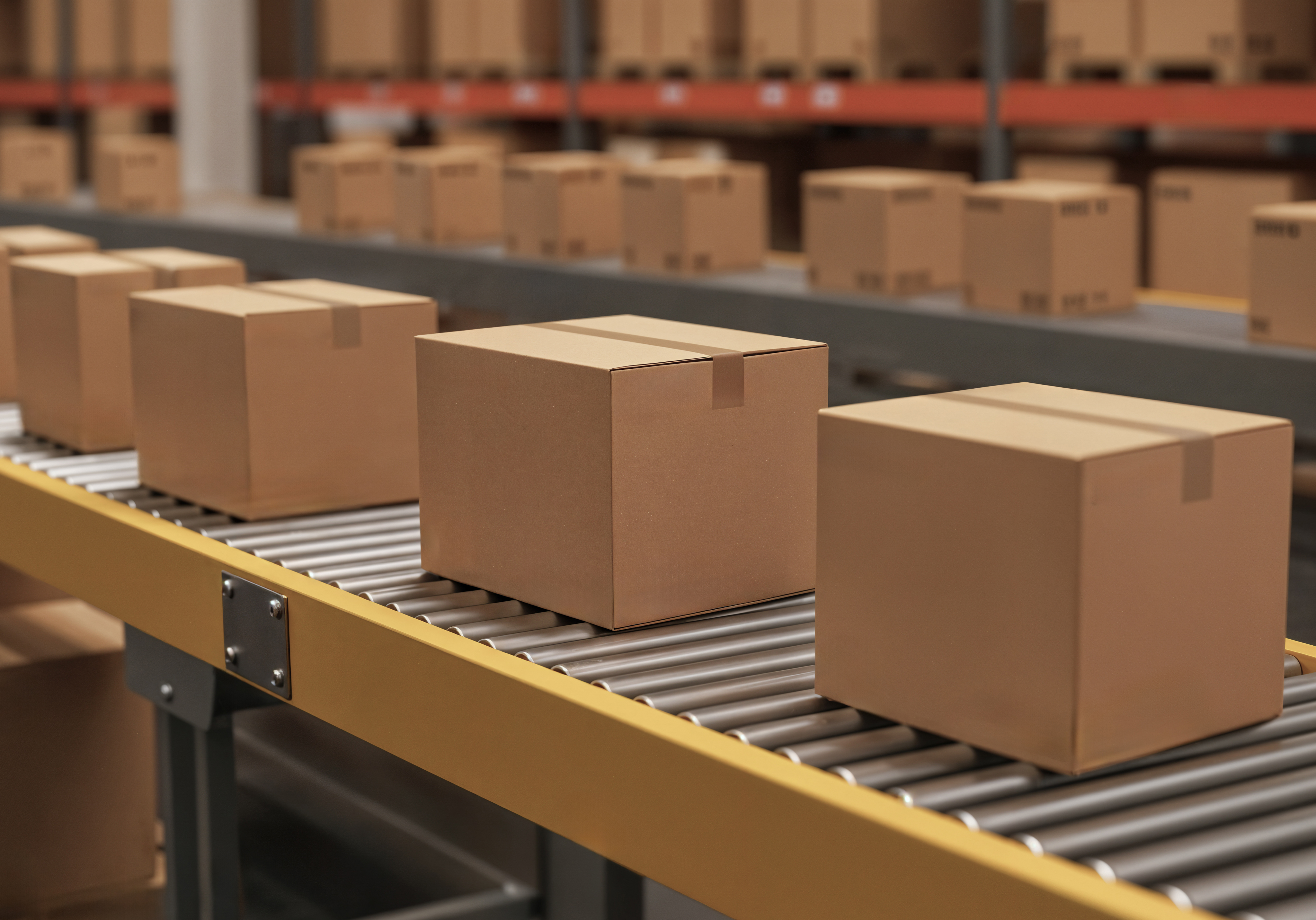 | Automation SPM Material Handling Automation System Description: A custom-designed conveyor system engineered for automated transportation of materials within... View product → |
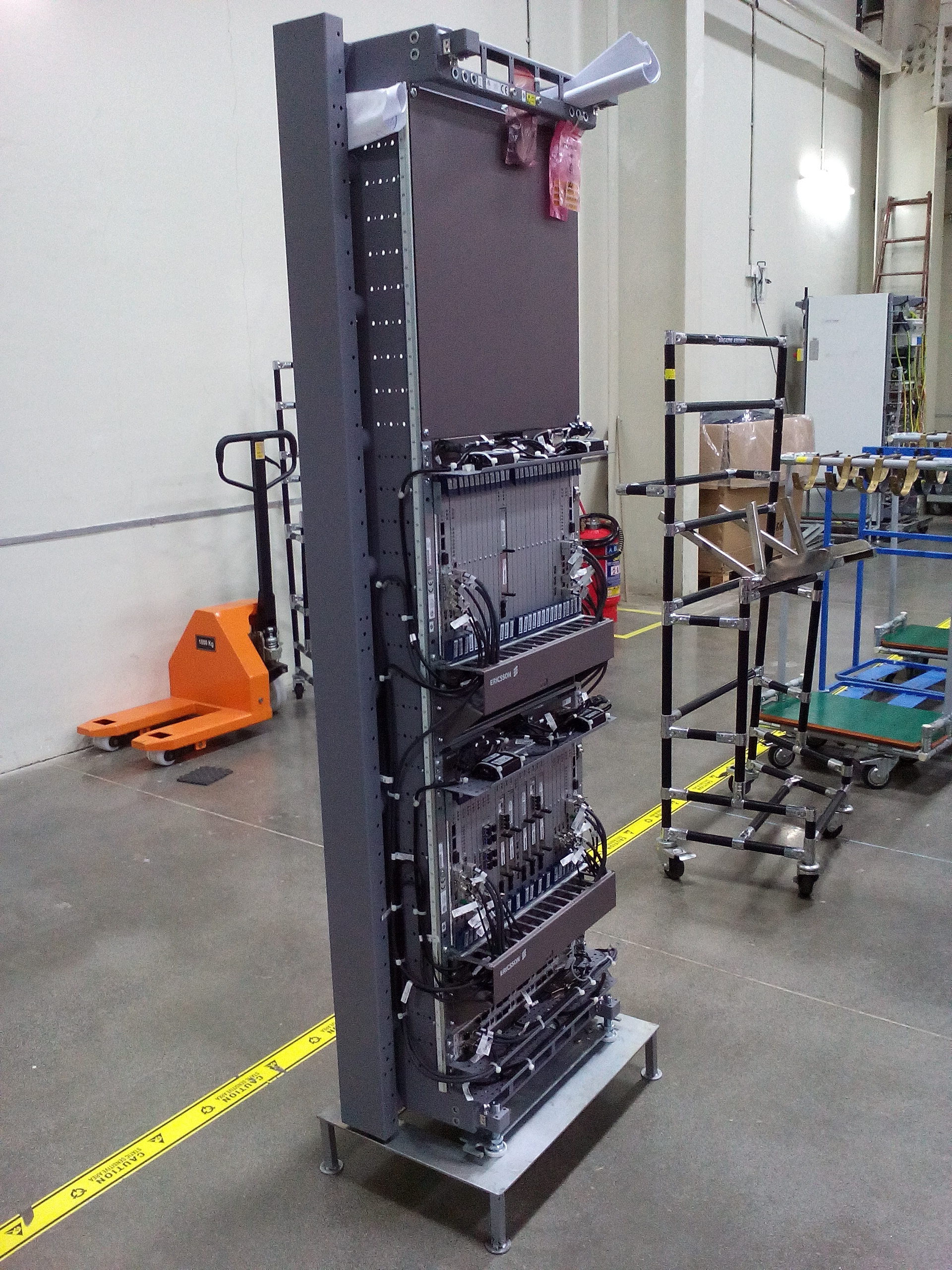 | Automation SPM SPM – Special Purpose Machines System Description: Custom-designed automation equipment developed to perform dedicated manufacturing or assembly... View product → |